
Scientific Discovery
Whether you are a morning or night person is largely genetic, determined by polymorphisms in the CLOCK and PER genes. This dictates your peaks of alertness and hormone release.
Data in Focus
- Morning Types (Larks): ~40% of the population. Peak alertness in early hours.
- Evening Types (Owls): ~30% of the population. Melatonin is released much later; peak productivity is in the late afternoon/evening.
- Intermediates: ~30% who adapt with more flexibility.
The Human Engineering Perspective
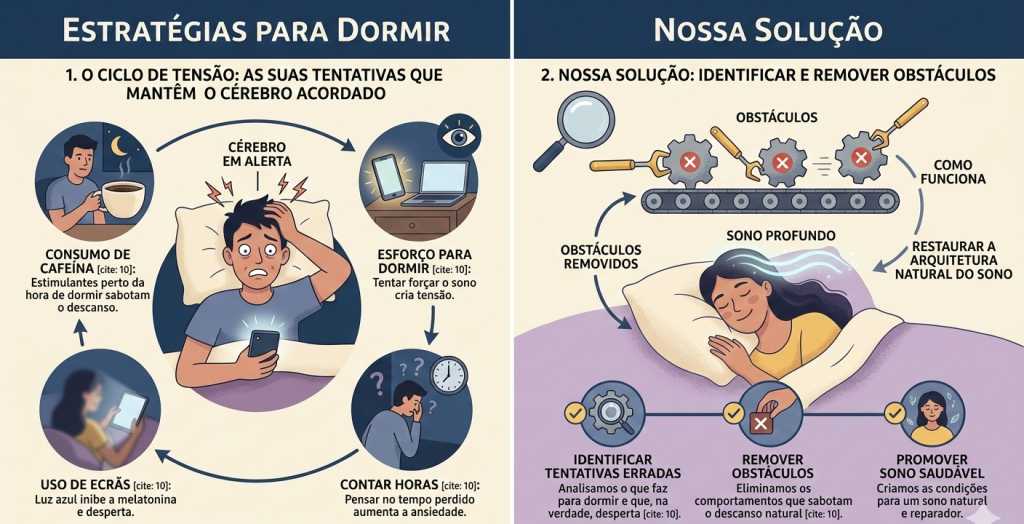
- For the Patient: We don’t force an “owl” to be a “lark.” Trying to force an evening person to sleep at 9 PM creates “early-night insomnia.” We adjust life to the gene.
- In Organizations: “Morning bias” in companies costs millions in lost productivity. Respecting chronotypes reduces human error and burnout.
Clinical Evidence: “We don’t choose our height or eye color; we don’t choose our chronotype either. True performance comes when we align our schedule with our genetic heritage.”
Did you know? Being a “night owl” isn’t a lack of willpower; it’s genetics. In prehistoric times, having group members with different schedules was a survival strategy: while the “larks” slept, the “owls” kept watch against predators.